
NEW DELHI, June 14, 2026, 19:47 IST — The Reserve Bank of India said paper ₹500 notes are still valid, pushing back against a viral WhatsApp message about plastic currency and a June 30 deadline. The government called the June 30 claim fake.
- The government’s fact-checking unit has shot down viral claims that paper notes will be swapped for plastic currency from June 30.
- RBI Governor Sanjay Malhotra said polymer notes are just being considered right now and there’s no decision yet.
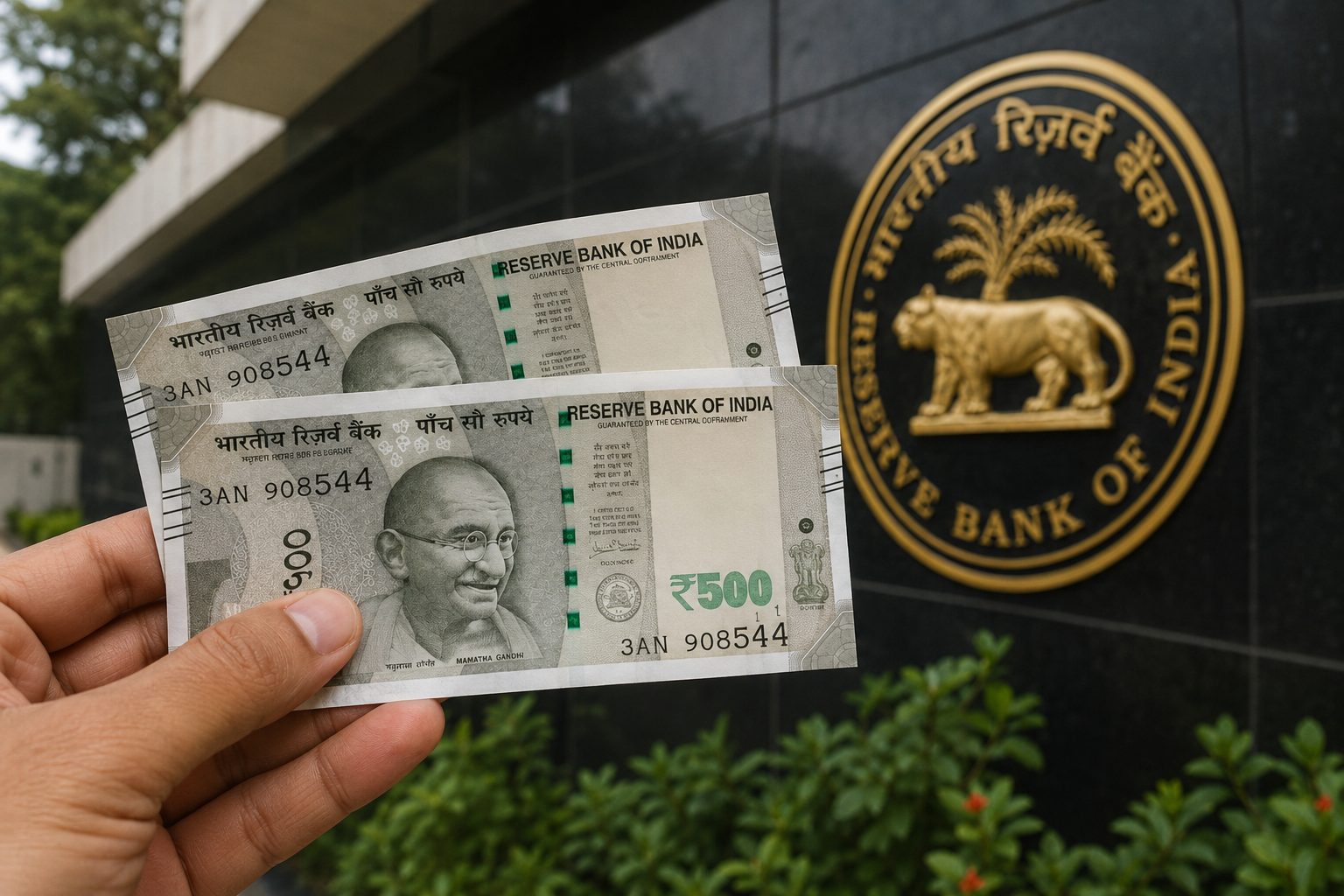
- The Reserve Bank says valid Indian banknotes, like the current ₹500 notes, are still legal tender unless there’s an official withdrawal.
Confusion around Indian currency is back after social media posts claimed the Reserve Bank of India would pull paper banknotes and bring in plastic notes starting June 30, 2026. The posts, pushed by regional news and public debate, focused on whether ₹500 notes and other paper bills would stay valid. Tamil daily Daily Thanthi said the Press Information Bureau stepped in to clarify after the rumors spread and caused worry. Daily Thanthi
PIB Fact Check said the RBI hasn’t said anything about pulling paper notes or swapping them for plastic ones by June 30. Moneycontrol had already reported in the last two days that the message making the rounds was fake, telling people to check RBI’s official updates for anything currency-related. Moneycontrol
Why the clarification? Currency rumors can hit daily transactions fast, especially for people using mostly cash. Earlier this month, Sathiyam TV said the talk around polymer notes had sparked questions about whether old paper notes would stay valid or if ₹500 notes would still go. The RBI currency FAQ says all RBI-issued banknotes still in circulation are legal tender in India. It also says the ₹500 and ₹1,000 notes issued up to November 8, 2016, were scrapped after demonetisation. Sathiyam TV
Polymer notes aren’t being rolled out yet. The scope is smaller than some online claims. RBI Governor Sanjay Malhotra said after the June 5 monetary policy decision, “Proposal is under consideration. There is some truth in it, but there is no decision. We are examining the pros and cons of it and whether it will be worthwhile to do it. It’s still at a preliminary stage,” he told ETBFSI. ETBFSI.com
Polymer banknotes use flexible plastic instead of the cotton material in India’s current notes. Backers say the notes last longer, handle moisture, and can pack in more security features. Opponents cite the price tag for new printing, machine retooling and the scale of nationwide adoption. Whalesbook called it a choice between better security and higher costs, pointing out India has weighed polymer notes for years but never fully switched. Whalesbook
India isn’t changing its banknote system right now. RBI says it prints banknotes on 100% cotton paper. Its currency-management setup handles issuing, sorting, reissuing good notes, and getting rid of damaged ones. RBI also says the central government signs off on banknote design, form and material after taking recommendations from the RBI’s Central Board. Reserve Bank of India
Markets are still waiting for any official word from the RBI on banknote material—an announcement, a tender, a pilot, or a government clearance. No such update has arrived so far. The June 30 replacement story isn’t backed by any proof. Paper currency that’s still valid can’t be rejected just because of rumors about plastic notes going around online.